PRO QUALITY CAR CARE MADE EASY
Join millions of car enthusiasts and professionals globally who trust our cutting-edge.
easy-to-use car care products to protect,restore,and enhance their vehicles.

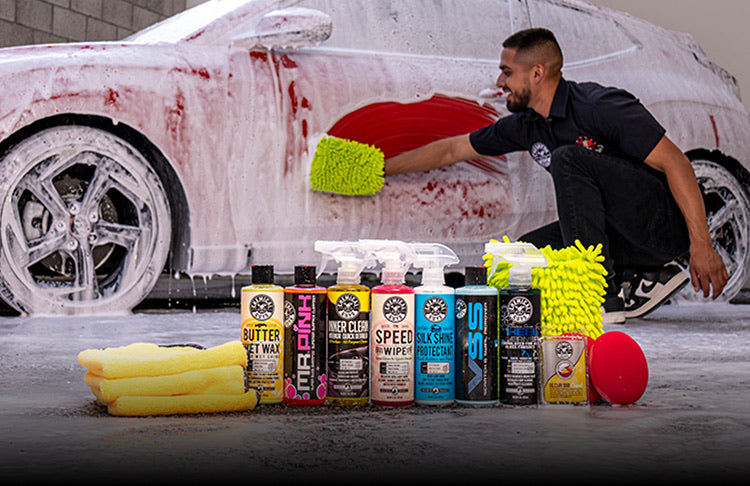
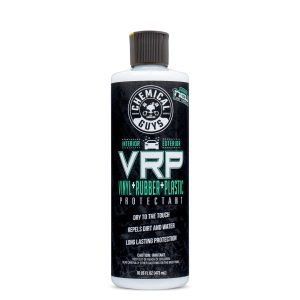
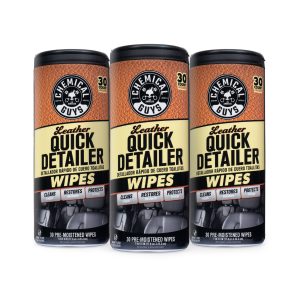
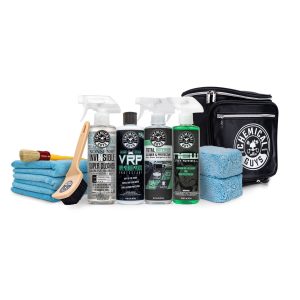
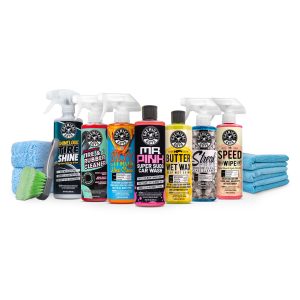
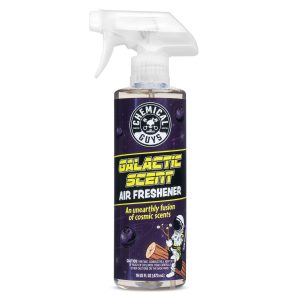
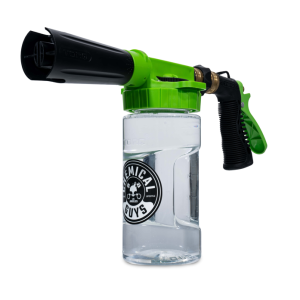
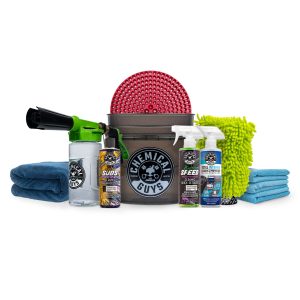
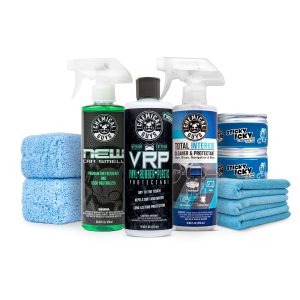
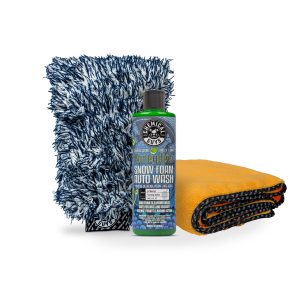
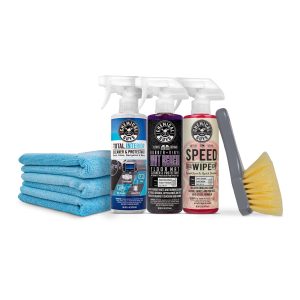

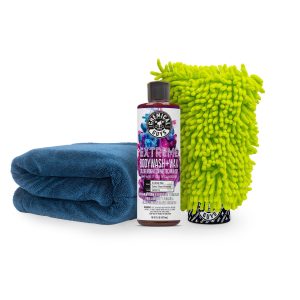
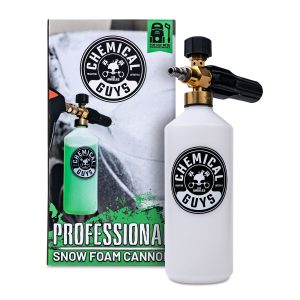

The pursuit of a perfectly clean vehicle is a passion shared by many owners. It’s a ritualistic act of maintenance that goes beyond mere aesthetics; it preserves the finish and maintains the value of the investment. At the heart of this process lies a fundamental, yet often misunderstood, product: the specialized fluid used to lift grime and road residue from the paintwork. This liquid is far more than just sudsy water; it is a precisely engineered chemical blend designed to perform a delicate balancing act.
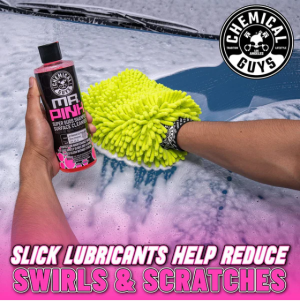
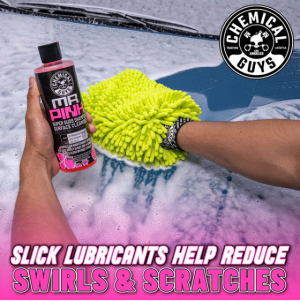
The primary function of any quality cleaning formulation is to lubricate the surface and encapsulate the foreign particulates that have settled on the exterior. Road film, brake dust, and environmental fallout—these microscopic enemies are sharp and abrasive. If they are not properly lubricated and cushioned, the act of wiping them away can create fine scratches, leading to a dull, spider-webbed appearance over time. The formula achieves this protection through surfactants, which are the core active components. These molecules have a dual nature: one end is hydrophilic (water-loving) and the other is lipophilic (oil-loving). When mixed with water, the lipophilic ends attach to the greasy, dirt-binding compounds on the vehicle’s surface, while the hydrophilic ends orient outward towards the water. This action creates tiny, tension-reducing spheres called micelles, which lift the dirt particle off the paint and suspend it within the wash solution, preventing it from redepositing.
Furthermore, the $text{pH}$ balance of the solution is a critical consideration. The exterior finish of a vehicle, particularly its protective clear coat, is sensitive to harsh chemical environments. A highly acidic or highly alkaline solution can strip away existing protective coatings, such as waxes or sealants, or, in extreme cases, even etch the clear coat. Professional-grade washing liquids are almost universally formulated to be $text{pH}$-neutral, meaning they reside very close to the center of the acidity-alkalinity scale. This neutrality ensures maximum cleaning power without compromising the integrity of previously applied protection or the delicate composition of the paint finish itself. It’s a key indicator of a gentle, yet effective, cleaning product.
Beyond the fundamental cleaning action, modern formulations often incorporate advanced components designed for a specific user experience. Many contain polymers that aid in the rinsing process. These polymers alter the surface tension of the water on the paint, causing it to “sheet” off in large, uniform flows rather than beading into individual droplets. This effect significantly reduces the amount of water left behind, speeding up drying time and, critically, minimizing the risk of unsightly water spots—mineral deposits left behind when standing water evaporates. The quicker and cleaner the rinse, the less post-wash wiping and buffing is required, thus further minimizing the chance of introducing surface blemishes.
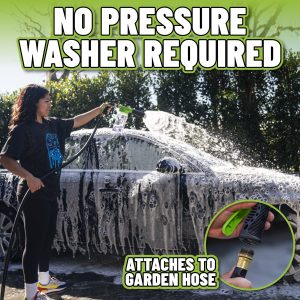
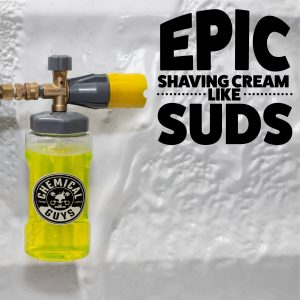
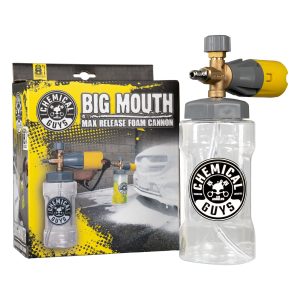
The viscosity, or thickness, of the concentrate also plays a role in its efficacy and efficiency. A high-viscosity solution allows for greater dilution ratios, meaning a small amount of the product can generate copious amounts of foam when introduced to water, especially when utilizing high-pressure foam cannons or gun apparatus. This rich, thick foam, often referred to as “snow foam,” is not just for visual appeal. It allows the solution to dwell on the vehicle’s surface for an extended period. This increased contact time allows the surfactant micelles more opportunity to penetrate, loosen, and encapsulate the stubborn, caked-on contaminants before the contact wash stage even begins. This pre-soak step is paramount in achieving a “touchless” level of cleaning and drastically reduces the amount of physical scrubbing required, which is the single biggest source of swirl marks.
In essence, selecting the appropriate washing medium is an act of chemical consideration. It requires an understanding of how surfactants interact with contaminants, the importance of a neutral $text{pH}$ for finish preservation, and the beneficial role of rinsing polymers. The ultimate goal is to remove every speck of abrasive foreign material from the paintwork with the least amount of mechanical friction possible. By understanding the sophisticated chemistry at work within the liquid in the bucket, an enthusiast elevates the simple task of washing into a precise, protective treatment, ensuring the exterior retains its deep gloss and flawless reflection for years to come. The right fluid choice is the critical first step in a thorough surface care regimen. The longevity of the finish depends on this foundational principle of gentle, yet powerful, decontamination.